صورة
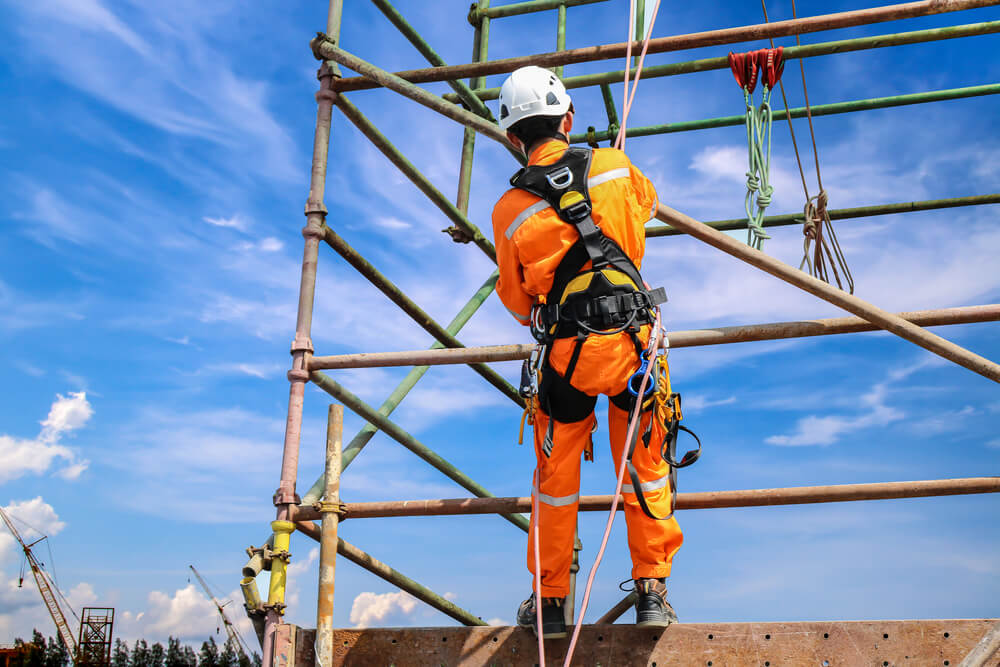
Safe work practices are essential for worker safety on any job, especially when working at heights. Several essential practices should be followed to ensure that workers can perform their tasks safely and without risk of injury or harm.
First, ensure that all workers are properly trained in the safe use of equipment and tools used at height. They must understand how to use equipment safely, including ladders, scaffolds, and seat belts. and it’s crucial to carry out a comprehensive risk analysis before doing any job at height.
This procedure should include an assessment of potential risks, including the likelihood of falling, the stability of any used structures, and the possibility of objects falling from extremely high altitudes. Throughout working hours, ensure that all employees are wearing the right safety equipment, such as hard hats, safety glasses, and appropriate footwear.
Workers should also be given proper fall protection, such as safety harnesses and lanyards, to safeguard them in the case of a fall from a height.
Also, all height-related activities need to be adequately supervised. This requires not only ensuring that all employees are properly taught and supervised but also identifying and removing any potential hazards. Make sure all personnel get enough rest, drink plenty of water, and take frequent breaks to prevent drowsiness and minimize the risk of accidents that could have serious repercussions. There are additional safe work procedures that should be followed when working at a height in addition to these standard safe work procedures. Workers should never climb on or utilize equipment that is damaged or not properly maintained, such as broken ladders, fragile walls, weak beams, etc. Also, when operating at a height, workers should never bend or extend the support point.
العودة إلى الرئيسية
First, ensure that all workers are properly trained in the safe use of equipment and tools used at height. They must understand how to use equipment safely, including ladders, scaffolds, and seat belts. and it’s crucial to carry out a comprehensive risk analysis before doing any job at height.
This procedure should include an assessment of potential risks, including the likelihood of falling, the stability of any used structures, and the possibility of objects falling from extremely high altitudes. Throughout working hours, ensure that all employees are wearing the right safety equipment, such as hard hats, safety glasses, and appropriate footwear.
Workers should also be given proper fall protection, such as safety harnesses and lanyards, to safeguard them in the case of a fall from a height.
Also, all height-related activities need to be adequately supervised. This requires not only ensuring that all employees are properly taught and supervised but also identifying and removing any potential hazards. Make sure all personnel get enough rest, drink plenty of water, and take frequent breaks to prevent drowsiness and minimize the risk of accidents that could have serious repercussions. There are additional safe work procedures that should be followed when working at a height in addition to these standard safe work procedures. Workers should never climb on or utilize equipment that is damaged or not properly maintained, such as broken ladders, fragile walls, weak beams, etc. Also, when operating at a height, workers should never bend or extend the support point.