صورة
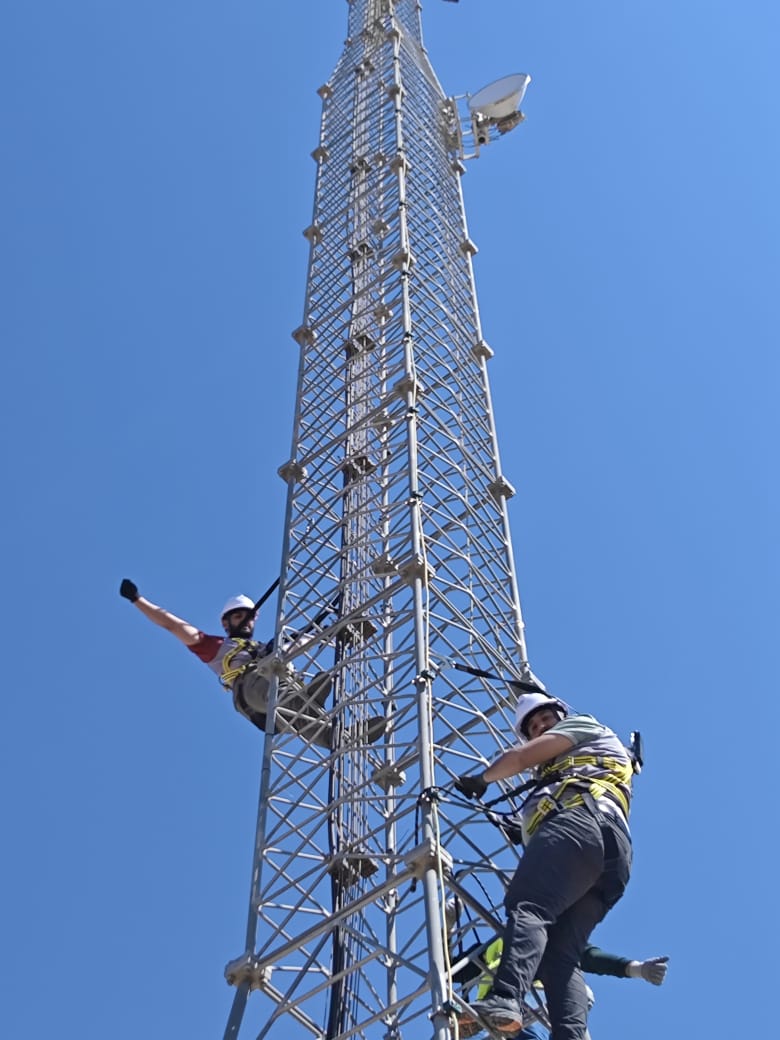
Professional training equips personnel with the knowledge and practical skills required to identify hazards, assess risks, correctly use fall protection systems and personal protective equipment (PPE), implement safe work procedures, and effectively respond to emergencies and rescue situations. It also strengthens a proactive safety culture throughout the organization.
Key Benefits for Organizations
Reduces workplace accidents, injuries, and fatalities.
Ensures compliance with international health and safety standards.
Enhances workforce competency, efficiency, and productivity.
Minimizes operational downtime and accident-related costs.
Strengthens corporate reputation and client confidence.
Improves emergency preparedness and rescue capabilities.
Supports contractor qualification and project compliance requirements.
Risks of Not Providing Working at Heights Training
Increased likelihood of serious accidents and fall-related incidents.
Significant financial losses due to injuries, compensation claims, and project delays.
Legal liabilities, regulatory penalties, and potential work stoppages.
Loss of business opportunities and contracts requiring certified personnel.
Reputational damage and reduced stakeholder confidence.
Inadequate emergency response and rescue readiness.
Organizations that invest in Working at Heights Training demonstrate a strong commitment to employee safety, operational excellence, risk management, and compliance with internationally recognized Occupational Health and Safety (OHS) standards.
“telecommunic”
العودة إلى الرئيسية
Key Benefits for Organizations
Reduces workplace accidents, injuries, and fatalities.
Ensures compliance with international health and safety standards.
Enhances workforce competency, efficiency, and productivity.
Minimizes operational downtime and accident-related costs.
Strengthens corporate reputation and client confidence.
Improves emergency preparedness and rescue capabilities.
Supports contractor qualification and project compliance requirements.
Risks of Not Providing Working at Heights Training
Increased likelihood of serious accidents and fall-related incidents.
Significant financial losses due to injuries, compensation claims, and project delays.
Legal liabilities, regulatory penalties, and potential work stoppages.
Loss of business opportunities and contracts requiring certified personnel.
Reputational damage and reduced stakeholder confidence.
Inadequate emergency response and rescue readiness.
Organizations that invest in Working at Heights Training demonstrate a strong commitment to employee safety, operational excellence, risk management, and compliance with internationally recognized Occupational Health and Safety (OHS) standards.
“telecommunic”